
Simplifying Without Adding Stress
The end of the school day is anything but routine.
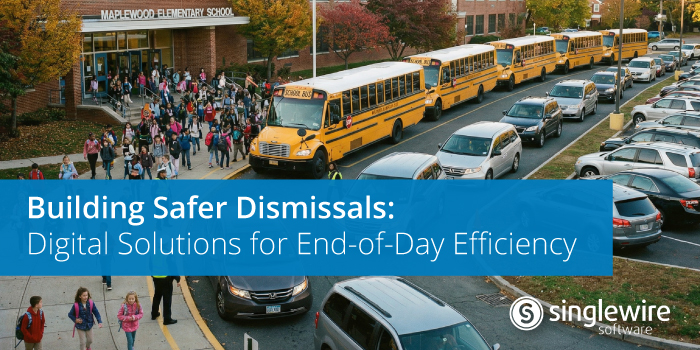
Hallways fill quickly. Front offices juggle last-minute changes. Buses arrive late or early. Parents show up unexpectedly. Students move through multiple dismissal paths—walkers, car riders, buses, after-school programs—all within a short window of time.
Despite how critical dismissal is to student safety, it remains one of the least standardized and least automated processes in many schools. That combination creates risk: missed communications, unclear handoffs, and limited visibility into where students are or who they leave with.
Digital dismissal management platforms are changing that reality. By bringing structure, real-time visibility, and clear communication to end-of-day workflows, these tools help schools reduce confusion and strengthen student safety—without adding more work for already stretched staff.
Why Dismissal Is a High-Risk Moment
Dismissal presents a unique set of challenges that don’t exist elsewhere in the school day.
Unlike classrooms or scheduled activities, dismissal involves:
- Rapid movement of large groups of students
- Multiple authorized adults and pickup methods
- Frequent day-of changes communicated late
- Heavy reliance on manual processes and staff memory
Many schools still depend on paper lists, radio calls, verbal confirmations, or spreadsheets that are difficult to update in real time. When something changes—an early pickup, a custody restriction, a bus delay—information can lag behind reality.
That lag creates risk. A student sent to the wrong location or released without proper verification is more than an operational issue; it’s a safety concern.
The Visibility Problem at Dismissal
One of the most common challenges during dismissal is a lack of visibility.
Staff may not know:
- Whether a student has already been dismissed
- If a parent has arrived or checked in
- Which students are still waiting, and where
- Whether a dismissal change was acknowledged by all necessary staff
Without a centralized system, schools rely on hallway runners, walkie-talkies, or last-minute announcements to fill in the gaps. These methods work—until they don’t.
Digital dismissal management platforms provide a shared, real-time view of dismissal activity across the building. Teachers, front office staff, and administrators can see the same information at the same time, reducing guesswork and miscommunication.
Reducing Confusion Through Standardized Workflows
Consistency is one of the biggest contributors to safer dismissals.
When dismissal procedures vary by classroom, grade level, or staff member, students and parents receive mixed signals. Staff may interpret instructions differently, especially on busy days.
Digital dismissal tools help schools establish standardized workflows, such as:
- Clearly defined dismissal categories for each student
- Consistent pickup verification steps
- Automated notifications when a student is ready or released
- Clear status indicators for “waiting,” “called,” or “dismissed”
By standardizing the process, schools reduce reliance on individual judgment and memory. That consistency helps new staff, substitutes, and support personnel follow the same safety protocols as experienced team members.
Improving Communication With Parents and Guardians
Dismissal confusion doesn’t only affect staff—it affects families too.
Parents often experience dismissal as opaque. They may not know when their child has been called, whether a delay has occurred, or how changes should be communicated. This uncertainty can lead to congestion at entrances, repeated phone calls to the office, or frustration that spills over into staff interactions.
- Digital dismissal platforms improve transparency by allowing schools to:
- Share clear expectations for pickup procedures
- Provide timely updates when delays occur
- Reduce last-minute confusion through structured change requests
When parents understand how dismissal works and receive consistent communication, the process becomes calmer and more predictable for everyone involved.
Supporting Staff During One of the Busiest Times of Day
Front office staff, teachers, and aides often carry the heaviest load during dismissal. They’re managing phones, verifying identities, coordinating students, and responding to unexpected issues—all at once.
Manual processes slow them down. Paper lists need to be updated. Radios interrupt instruction. Verbal messages get missed in noisy environments.
Digital dismissal management tools help by:
- Automating student call-downs
- Reducing repetitive communication tasks
- Minimizing the need for physical runners or hallway interruptions
- Providing clear prompts and status updates
This doesn’t just improve efficiency—it reduces cognitive overload at a time when staff are making safety-critical decisions.
Handling Exceptions With Ease
No dismissal plan survives contact with reality.
Buses run late. Weather changes. A grandparent is picking up instead of a parent. A student needs to be held for a meeting. These exceptions are where manual systems often break down.
Digital platforms allow schools to manage exceptions without derailing the entire process. Updates can be logged and shared instantly, ensuring everyone involved has the latest information.
Instead of reacting to problems as they arise, staff can adjust workflows in real time—keeping students accounted for and maintaining orderly movement throughout the building.
Strengthening Student Safety Through Verification
One of the most important aspects of dismissal safety is ensuring students leave with the right person.
Digital dismissal management platforms can support safer verification by:
- Linking students to authorized pickup lists
- Flagging restrictions or special instructions
- Requiring confirmation before release
When this information is easily accessible and consistently used, schools reduce the risk of unauthorized pickups or miscommunication around custody arrangements.
Dismissal as Part of Campus Operations
Dismissal doesn’t exist in isolation. It’s closely connected to broader campus operations and safety workflows.
When integrated with other systems—such as visitor management or critical communication tools—digital dismissal platforms can support coordinated responses when issues arise late in the day.
For example:
- A weather event may require adjusting dismissal timing
- A security concern may require holding students temporarily
- A facilities issue may impact pickup locations
Having dismissal data available in real time allows administrators to make informed decisions and communicate clearly with staff and families.
A Practical Path to Improvement
Schools don’t need to overhaul everything overnight to improve dismissal safety. Many start by digitizing the most error-prone parts of the process and building from there.
The goal isn’t to add complexity—it’s to reduce it.
By replacing fragmented, manual workflows with structured, digital processes, schools can create dismissals that are calmer, safer, and more predictable for students, staff, and families alike.
Safer Endings to Every School Day
Dismissal may only last 20 or 30 minutes, but its impact on safety and trust lasts much longer.
When students are accounted for, staff have clear visibility, and parents understand the process, dismissal becomes less about managing chaos and more about ensuring a safe transition home.
Digital dismissal management platforms offer schools a practical way to reduce confusion, strengthen student safety, and support staff during one of the most demanding moments of the day—without sacrificing flexibility or personal connection.
Explore our Dismissal Manager solution to see how a digital dismissal tool can transform end-of-day school operations.